Why "Wait and See" is Dead in 2026
We are living in an era of "Present Wellbeing." With the US economy facing stagflation and shifting interest rates, we don't have time to be tired. I spent months wondering, "Is 6 hours of sleep enough?" or searching for high-intensity yoga sleep benefits to fix my exhaustion.
The truth? No amount of yoga fixes a physical blockage. I stopped looking for a sleeper build at the gym and started looking at my sleep apnea symptoms.
Common Signs You’re Ignoring:
- Morning headaches: A classic sign of oxygen deprivation.
- Excessive daytime sleepiness: Falling asleep during meetings (not just because they're boring).
- Sleep paralysis symptoms: Feeling like a sleep paralysis demon is sitting on your chest.
- Gasping for air: Your partner mentions you sound like you're choking.
How Agentic AI Changed My Sleep Study
Instead of waiting six months for a clinic, I opted for an at home sleep study paired with a Sovereign AI strategy. I used an autonomous agent to cross-reference my wearable data with my CPAP sleep apnea machine logs.
Unlike old "chatbots," these agentic AI systems don't just show a graph; they take action. My AI noticed that my central sleep apnea events spiked on nights I stayed up late reading about Ukraine reconstruction costs or Trump tariff rulings. It automatically adjusted my smart pillow height and sent a report to my sleep specialist.
"The shift from 'tracking' to 'acting' is the hallmark of 2026 health tech. We aren't just watching ourselves fail to sleep; we are deploying agents to fix the environment."
Beyond the CPAP: 2026 Treatment Trends
If the idea of a sleep apnea machine scares you, you aren't alone. Many are looking for an Inspire sleep apnea implant or a sleep apnea mouth guard.
Comparison of Modern Treatments
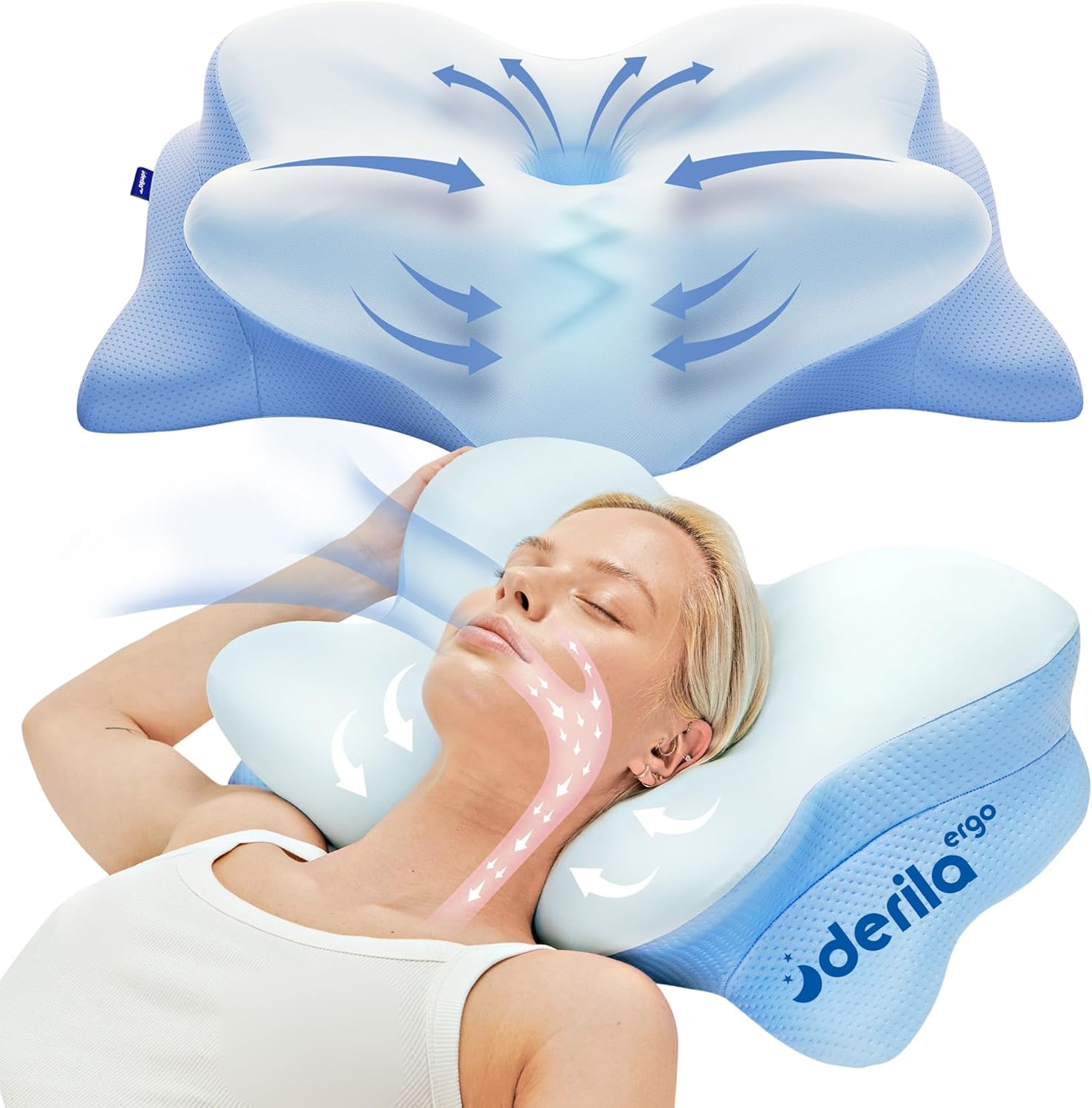
TreatmentBest ForEffort LevelCPAP MachineSevere Obstructive Sleep ApneaHigh (Daily use)Inspire SleepThose who can't use CPAPSurgicalMouth GuardMild to Moderate apneaMediumSleep Apnea PillowPositional sleepersLow
The "Sleeper Cell" of Health: Why It Matters Now
The term sleeper cell meaning usually refers to dormant threats, but in 2026, your undiagnosed apnea is the ultimate "sleeper cell" in your life. It erodes your cognitive function, impacts your present wellbeing, and—to be blunt—can sleep apnea kill you? Yes, through increased risk of heart attack and stroke.
Between the cultural obsession with Sleep Token members' lore and the "digital fatigue" of 2026, we’ve commodified sleep. But authentic health comes from addressing the symptoms of sleep apnea before they become chronic.
FAQ: People Also Ask
Is 7 hours of sleep enough?
For most adults, 7–9 hours is the sweet spot. However, if you have obstructive sleep apnea, even 10 hours will leave you feeling exhausted because the quality is poor.
How do I get a sleep study near me?
You can search for a sleep specialist or order an at home sleep study kit, which is often covered by insurance under sleep apnea icd 10 coding.
What causes sleep apnea?
Causes range from physical anatomy (narrow airway) to lifestyle factors like weight or even sleeping positions (check your dog sleeping positions—even they get it!).