If you’re still counting steps and calling it a day, I have some news from the future: you’re playing the wrong game. As of February 2026, the conversation in the U.S. has moved past simple "longevity" (how many years you’re breathing) to Healthspan (how many years you’re actually living).
The 2026 Longevity Bottom Line: The most reliable predictors of how long you will live are no longer just your blood pressure or cholesterol; they are your VO2 max (cardiovascular aerobic capacity) and your skeletal muscle strength (measured via grip strength). Research shows that high cardiorespiratory fitness can reduce all-cause mortality risk more than almost any other medical intervention.
Why 2026 is the Year of the "Centenarian Decathlon"
We’ve officially entered the era of Medicine 3.0. Pioneered by experts like Dr. Peter Attia, this approach focuses on preventing the "Four Horsemen" of aging—heart disease, cancer, neurodegenerative disease, and type 2 diabetes—decades before they show up on a standard lab test.
I’ve been tracking my biological age using the latest epigenetic clocks (like the DunedinPACE), and the results are clear: consistency beats intensity. You don't need to be Bryan Johnson, taking 100+ pills a day, to see a shift. You just need to treat your body like a high-performance vehicle that you intend to drive for 100 years.
The Big Two: VO2 Max and Grip Strength
In the world of 2026 longevity research news, two metrics have become the "Gold Standard" for every fitness tracker and smart ring.
1. The Power of VO2 Max
Your VO2 max is essentially the size of your "internal engine." It measures how efficiently your body uses oxygen.
- The Trend: 2026 is all about "Zone 2" training (steady-state cardio) mixed with one "Norwegian 4x4" interval session per week.
- Why it matters: Moving from the bottom 25% to the top 25% of VO2 max for your age group is associated with a 5x reduction in mortality.
2. Grip Strength: The "Vital Sign" You’re Ignoring
Why is everyone carrying around hand dynamometers lately? Because your grip strength is a proxy for total body muscle mass and nervous system integrity.
- The Test: If you can’t hang from a pull-up bar for at least 40 seconds (or 60 for men), your "functional reserve" is lower than it should be.
- The Fix: Incorporate "Farmer’s Carries" into your weekly routine. It's the ultimate "present wellbeing" habit that pays off in your 80s.
Supplements and the "Inverted Pyramid" Diet
The 2026 USDA guidelines recently flipped, and the "longevity enthusiast diet" has followed suit. We’re seeing a massive shift toward high-protein intake (targeting 1g per pound of ideal body weight) to prevent sarcopenia (muscle wasting).
What’s in the 2026 Longevity Cabinet?
- Creatine Monohydrate: No longer just for bodybuilders. In 2026, it's recognized as a "brain health" essential.
- Urolithin A: The buzziest compound for mitochondrial repair.
- Magnesium Glycinate: Still the king for nervous system regulation and sleep hygiene.
- Akkermansia Probiotics: The new gold standard for gut barrier integrity.
Your 2026 Longevity Shopping List (Amazon Essentials)
To jumpstart your healthspan journey, here are the tools currently trending in the U.S. longevity community:
- Digital Hand Dynamometer: To track your grip strength baseline and progress.
- High-Quality Creatine Monohydrate: For muscle preservation and cognitive support.
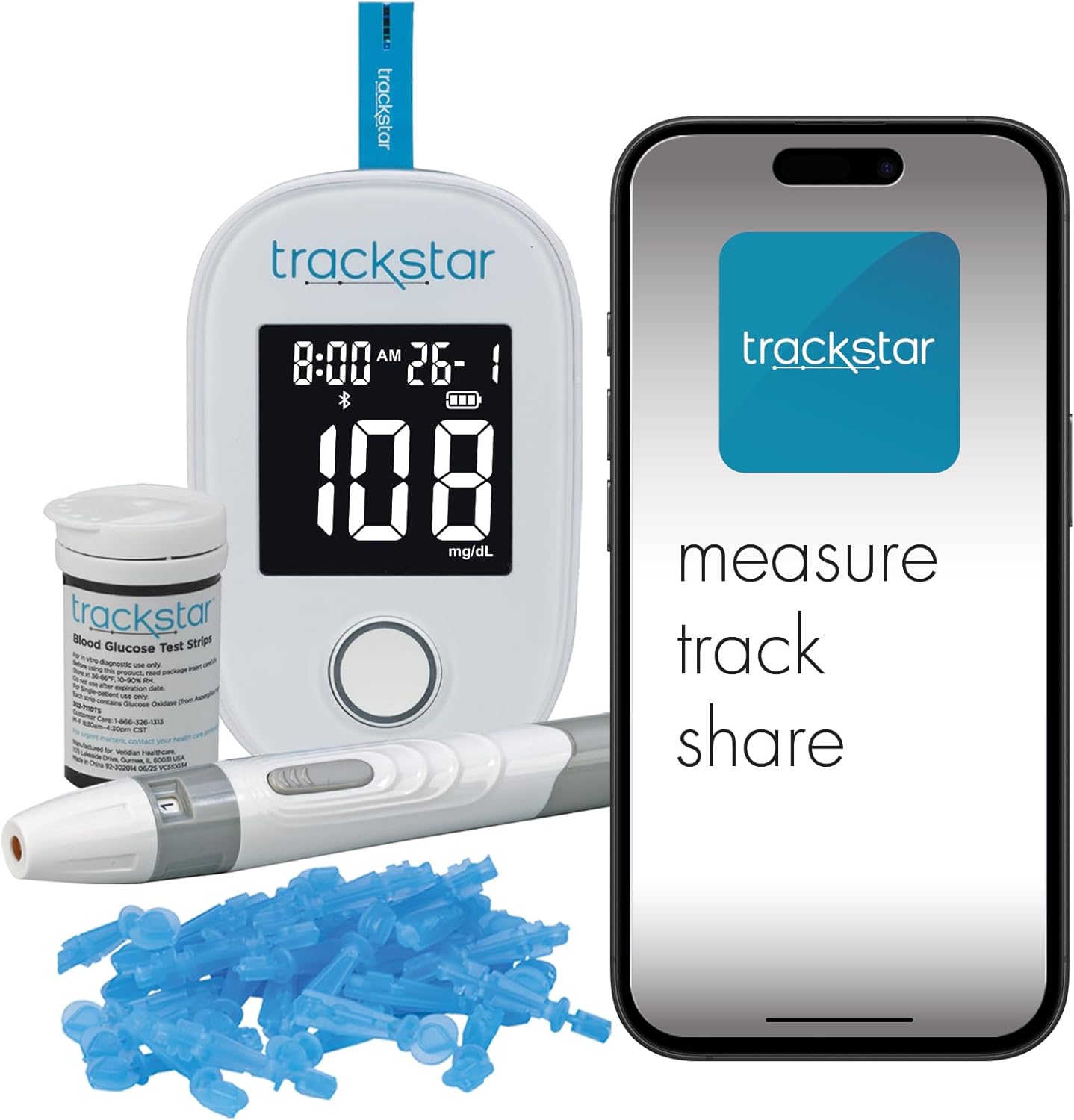
- Blood Glucose Monitor (CGM): To see how "healthy" foods actually affect your metabolic health in real-time.
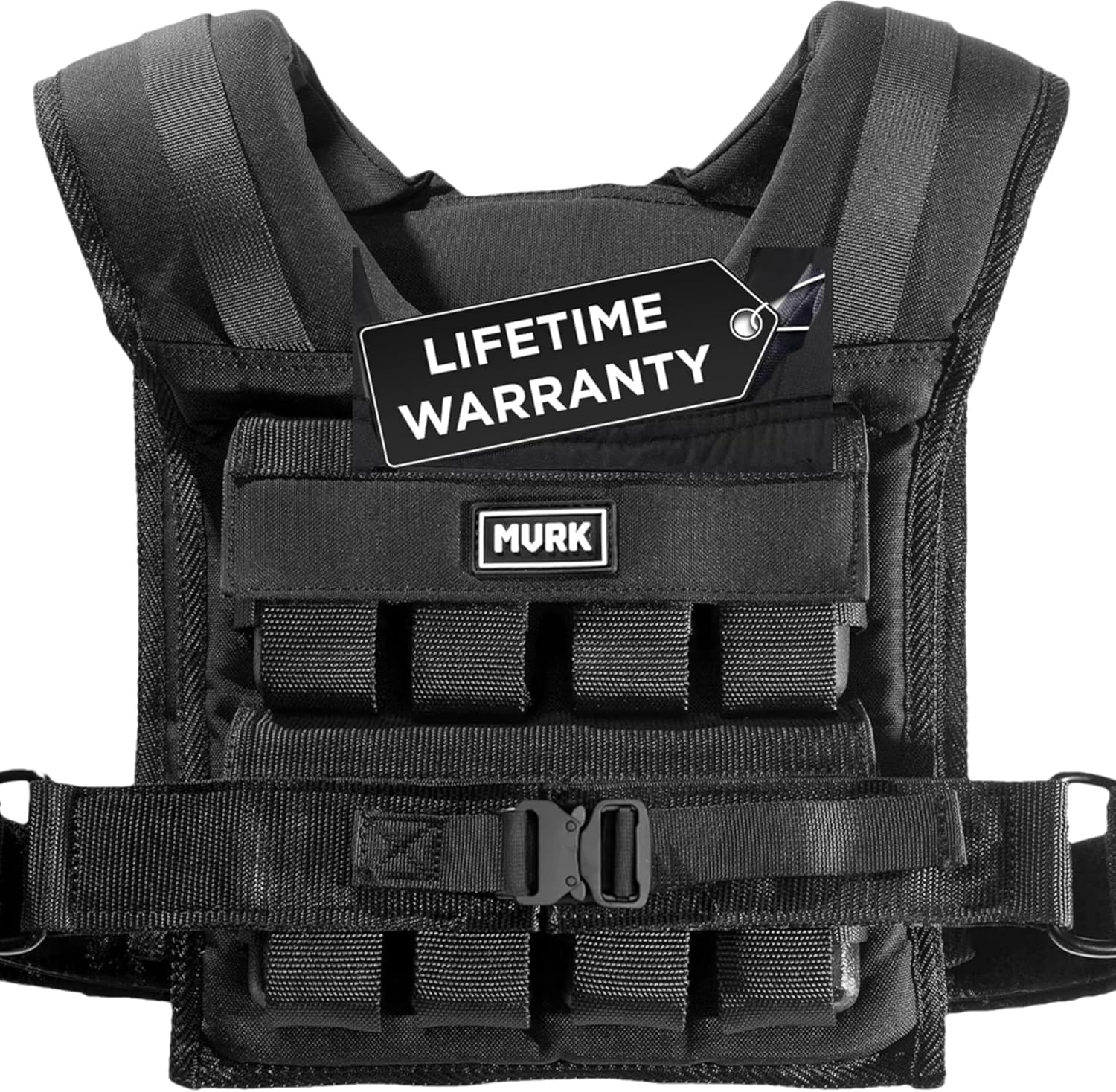
- Weighted Vest: For "Rucking"—the low-impact way to build VO2 max and bone density simultaneously.
- Blue Light Blocking Glasses: Specifically for the "Bryan Johnson" style 2-hour pre-sleep wind-down.
People Also Ask (FAQ)
What is the best exercise for longevity in 2026? Current research suggests a 50/50 split between strength training (to build muscle reserve) and Zone 2 cardio (to improve mitochondrial efficiency).
Can I really lower my biological age? Yes. While you can't change your birth year, epigenetic testing shows that improving sleep, managing stress (nervous system regulation), and hitting protein targets can "slow the clock" on your DNA methylation.
What does Peter Attia recommend for protein? Dr. Attia generally recommends significantly higher protein than the old RDA, often suggesting 0.8g to 1.2g of protein per pound of body weight to maintain muscle mass as we age.
Is VO2 max more important than strength? They are two sides of the same coin. VO2 max is the best predictor of lifespan, but muscle strength is the best predictor of quality of life and independence.