I Tested Every "Purifier" in My House: Here’s What Actually Matters
We’ve officially hit the "Over-Optimization Backlash" of 2026. Last year, we were all tracking every breath with 15 different sensors. This year? We just want things to actually be clean. Whether it's the air you breathe, the water your baby drinks, or the face wash you use after a long day, the "Purification Era" is about feeling safer in your own space.
The Quick Answer Box: The main difference between distilled and purified water is the mineral content. Distilled water is boiled into steam to remove all minerals and microbes, making it essential for CPAP machines and baby formula. Purified water is filtered to remove chemicals and toxins but may still contain trace minerals, making it great for drinking but risky for sensitive machinery.
Air Quality Check: Is Your Pet Dander Winning?
If you’re like me and your "work-from-home coworker" is a Golden Retriever, you know the struggle. In 2026, the best air purifiers for pet dander aren't just fans with filters; they are smart hubs.
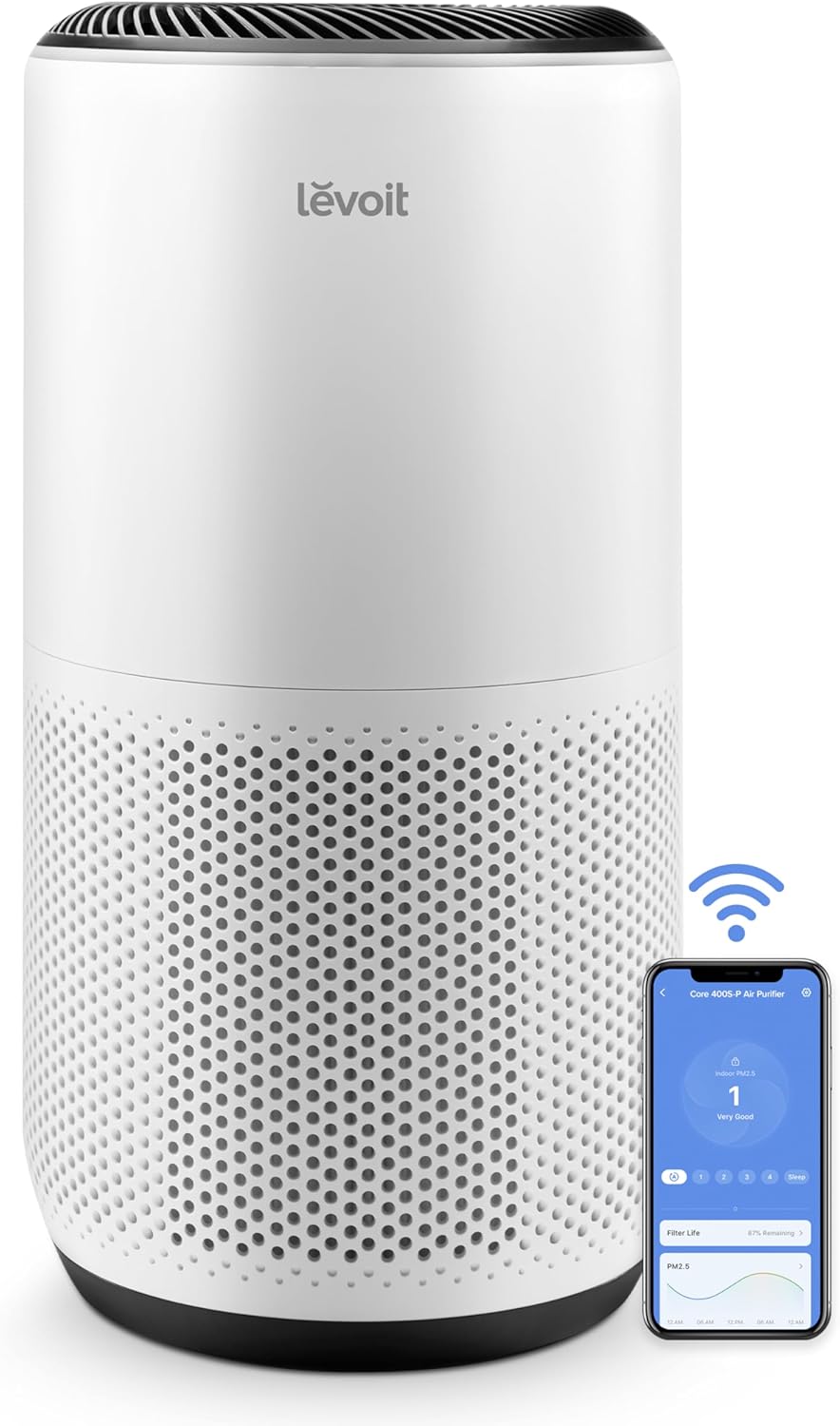
I’ve been running the Levoit Core 400S and the Blueair Blue Pure 211i Max, and the difference in my morning congestion is wild. These units use HEPA H13 filtration, which is the gold standard for trapping those microscopic "gifts" our pets leave in the air.
Why your "Red Light" indicator is on:
If your Levoit air purifier is showing a red indicator, don't panic. It’s usually not a "broken" machine; it's a "I'm working too hard" signal.
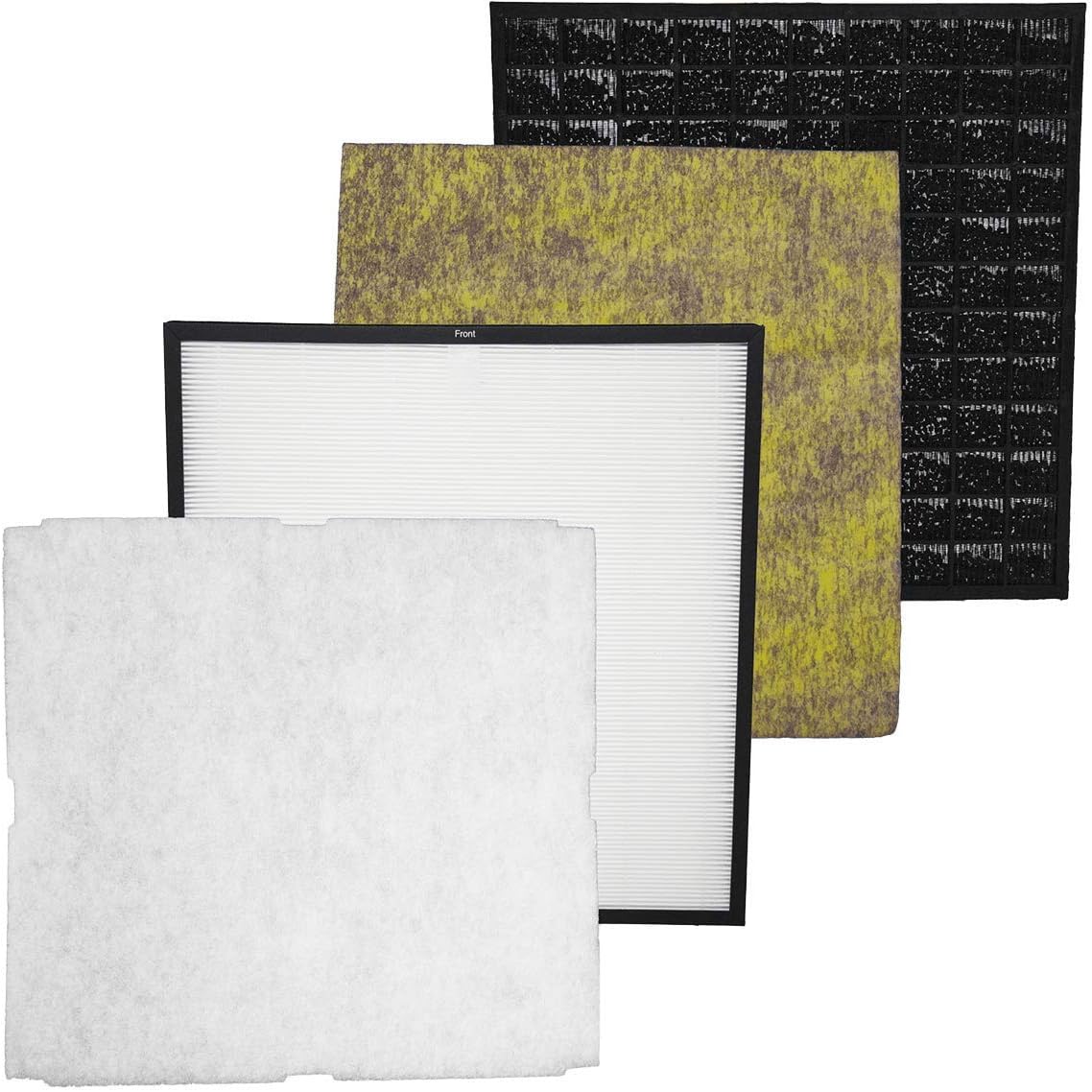
- Filter Life: Check if it’s time for a swap (usually every 6-12 months).
- Sensor Dust: Sometimes the laser sensor gets a bit of lint on it. A quick puff of air usually resets the vibe.
The Great Water Debate: Distilled vs. Purified for Babies and CPAPs
I get asked this constantly: Can you use purified water in a CPAP machine? Technically, you can for one night if you’re in a hotel and desperate. But long-term? No. Purified water still has minerals that will turn your expensive CPAP tank into a science experiment of white flaky buildup. For baby formula, most US pediatricians in 2026 still lean toward distilled water to ensure zero contamination from "Cronobacter" or excess mineral intake, especially for newborns.
Spring vs. Purified Water:
- Spring Water: Natural minerals, great taste, bad for machines.
- Purified Water: Tap water that went through a "glow-up" (Reverse Osmosis or Carbon filtration).
- Distilled Water: The "God-Tier" of purity. Zero minerals. Period.
Skin Longevity: Himalaya Neem vs. La Roche-Posay
We’re moving toward "Skin Longevity" instead of just "Anti-Aging." I compared the cult-classic Himalaya Neem Purifying Face Wash with the La Roche-Posay Toleriane Purifying Foaming Cleanser.
- Himalaya Neem: If you’re dealing with "maskne" or 2026 urban pollution, the Neem and Turmeric combo is unbeatable for the price. It’s effective but can be slightly drying if you have a compromised barrier.
- La Roche-Posay: This is the "safe bet." It’s a prebiotic cleanser that keeps your microbiome happy. If your skin feels "angry" or sensitive, this is your holy grail.
People Also Ask (FAQ)
Is purified water bad for you? Not at all! It’s actually very safe because it removes harmful chemicals like lead and chlorine. Some people find it "flat" because the minerals are gone, but it’s excellent for hydration.
How do I clean a Levoit air purifier filter? Pro tip: You can’t really "wash" a HEPA filter. You can vacuum the outer pre-filter (the hairy part) to extend its life, but once the inner HEPA is gray, it’s time to recycle and replace.
What is the difference between distilled and purified water for baby formula? Distilled is the safest because the boiling process kills 99.9% of bacteria and removes minerals that might be too harsh for a tiny infant’s kidneys. Purified is okay for older babies, but check with your doc first!